

Member login

Board careers

Board readiness for women

Board readiness means having the governance knowledge, experience, profile and networks a board looks for, and being able to show them clearly before you’re appointed. Most women build it in stages: learning how boards work, positioning their value, connecting with the right people, applying for well-chosen roles, and performing strongly once they’re in the boardroom.

Donny Walford FAICD, founder and Managing Director of behind closed doors, seated at a boardroom table

Why a board role is worth considering

A board seat lets you shape the direction of an organisation you care about. You bring the experience you’ve built as an executive, a business owner or a specialist, and apply it at the level where strategy, risk and leadership are decided.

The benefits run both ways. Board work broadens your perspective across sectors, builds relationships with other directors and chairs, and sharpens the strategic thinking that makes you a stronger executive. Not-for-profit boards also let you give back to a community or cause, and the board perspective you gain often strengthens how you lead in your day job.

Boards benefit too. Diverse boards bring more perspectives to the decisions that matter, and our vision at behind closed doors is more than 40% female representation on Australian boards. Every woman who prepares well and puts her hand up moves that vision closer.

What board-ready means

You’re board ready when you have

  • A working knowledge of governance: directors’ duties, reading financial statements, and how boards oversee risk and strategy.
  • Relevant experience at or near board level, such as reporting to a board, sitting on a committee or running your own business.
  • A clear value proposition: the specific skills and perspective you’d add to this board.
  • A board CV and a short board bio that frame your experience in governance terms.
  • A network that knows your board ambitions, and a target list of organisations you’d like to serve.
  • The time and capacity to prepare, attend meetings and contribute between them.

First boards are a great place to start

Many directors begin with roles that build governance experience while their executive career continues, and each of these first roles is an opportunity in its own right.

  • Not-for-profit boards and committees of management, where your professional skills are often in high demand.
  • Independent committee roles, such as a council or member organisation’s audit and risk committee, for people with finance, legal or risk experience.
  • Advisory boards, which guide founders and leadership teams without the fiduciary duties of a board of directors.
  • Government boards, which advertise vacancies and keep registers of interested candidates in each state.
  • School, college and university councils, which value education, finance and governance experience.

The board pathway in 5 stages

Most board careers follow a version of this path. Each stage links to the guide that covers it in depth.

  1. Learn: build your governance knowledge

    Understand how boards work, what directors are responsible for, and how to read a board pack and financial statements. Start with what governance is and what a non-executive director does, and consider a formal course such as the AICD’s Foundations of Directorship or Company Directors Course.

  2. Position: define and present your value

    Decide what you bring that a board needs, then show it in governance terms. Our guide to writing a board CV and board bio shows how to frame your achievements, committee work and strategic experience.

  3. Connect: make your ambitions known

    Most board appointments involve someone who knows your work. Tell chairs, directors, recruiters and mentors what kind of board you’re aiming for, and build relationships in the sectors on your target list.

  4. Apply: choose roles and prepare well

    Look for advertised roles, register on government board registers and do your due diligence on each organisation. Our step-by-step guide to getting on a board in Australia covers where roles are advertised and how to prepare for interviews, and our list of current board positions shows what’s open now.

  5. Perform: make your first year count

    Complete a thorough induction, read every board pack closely, ask good questions and contribute to a committee. A strong first term builds the reputation that leads to your next appointment, and our guide to how much board directors get paid explains how fees differ as your board career grows.

How behind closed doors supports your board career

  • 1:1 board career coaching

    BoardDirect

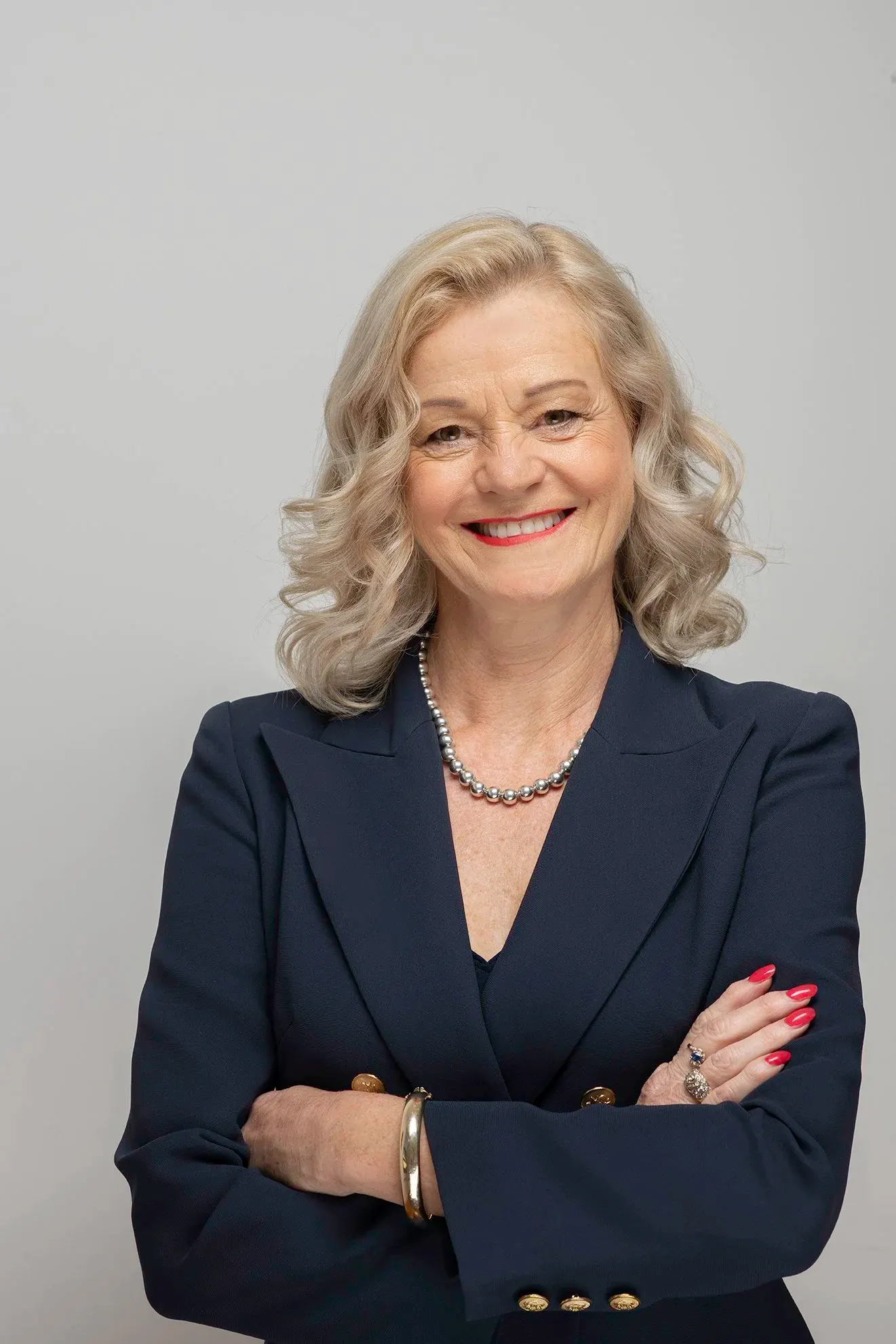
    5 x 1-hour 1:1 sessions with Donny Walford FAICD. Sessions cover your executive CV, key achievements and core competencies, your board bio and LinkedIn profile, your personal value proposition and pitch, key influencers and introductions, interview preparation, and the sectors and companies to target.
  • Ongoing support

    Membership

    Our Executives, Entrepreneurs and Emerging Leaders memberships include encouragement and support to nominate for board and committee roles and access to unpublished board and executive appointments. Several memberships also add a profile listing in BoardDirect, our directory of board-ready businesswomen.

  • Roles open now

    Current board positions

    Go straight to the AICD’s national listing of board vacancies and the state government board registers, with tips for preparing each application.

BoardDirect investment
MembershipFormatInvestment
BoardDirect5 x 1-hour 1:1 sessions with Donny Walford, in Adelaide or on Zoom$650 + GST an hour

Guided by Donny Walford FAICD

Donny Walford founded behind closed doors in 2008. She has an extensive background at board level and in CEO and executive roles in banking, finance, business associations and government, and she works with boards, executives and business owners to drive strategic and transformational change.

Donny is a Fellow of the Australian Institute of Company Directors. She was selected into the AICD’s Chairman’s mentoring program, completed its Mastering the Boardroom program in 2015, and is a Certified Chair, Advisory Boards. Her current board roles are listed on her profile.

Her coaching style is upfront and direct: she starts by understanding your situation, goals and aspirations, then gives insightful suggestions to help you reach them. BoardDirect is delivered by Donny personally. Read Donny’s full profile.

Board appointments in our community

We love celebrating the board appointments of our members, past and present. In February 2021 we congratulated members including Georgie Cornish on her first national board appointment, with the AFAC Board; Amanda Stephenson on her first board appointment; and Dr Angela Littleford, who joined the Cottage Homes Inc Board as a non-executive director.

Everything you need to prepare

Board readiness FAQs

What does board ready mean?

Being board ready means you have the governance knowledge, relevant experience, profile and networks a board looks for, and can show them clearly in a board CV, a short bio and a conversation. It also means you understand a director’s duties and have the time and capacity to do the role well.

What qualifications do you need to be on a board?

Most boards in Australia set no formal qualification for directors, though some roles need specific expertise, such as finance, law or clinical governance. Boards look for relevant experience, sound judgement and governance knowledge. Many directors complete a governance course, such as those run by the Australian Institute of Company Directors, to build and demonstrate that knowledge.

How do I get invited to join a board?

Invitations usually come through people who already know your work, so make your board ambitions known to your network, chairs, recruiters and mentors. Build a visible track record on committees or not-for-profit boards, keep your board CV and LinkedIn profile current, and register on government board registers in your state.

Are board positions paid?

Some are and some aren’t. Most not-for-profit board members volunteer their time, many government boards pay fees set under published frameworks, and listed company boards pay the highest fees, which they disclose in their annual reports. Our guide to how much board directors get paid explains how fees work by board type.

How long does it take to become board ready?

It depends on your starting point. Many experienced executives are closer than they think and mainly need to reframe their experience in governance terms. Others build readiness over a year or 2 through a governance course, a committee or not-for-profit role, and a deliberate plan to widen their networks.

Do I need to complete the AICD Company Directors Course?

It isn’t a legal requirement, but it’s widely recognised and many boards value it. The Australian Institute of Company Directors describes its Company Directors Course as designed for current, first-time and aspiring directors, senior executives and board advisors. Its shorter Foundations of Directorship program is another starting point.

What is a board director?

A board director is a member of the board that governs an organisation. Directors set strategic direction, appoint and oversee the chief executive, monitor performance and risk, and make sure the organisation meets its legal and financial obligations. Our guide to non-executive directors explains how independent directors differ from executives on a board.

Talk to us about BoardDirect

Tell us where you are in your board career and what you’re aiming for. We’ll be in touch to talk through BoardDirect and the support that fits, whether you’re preparing for your first board seat or aiming for a larger board.

Prefer to talk? Call us on (08) 8333 4303

Fields marked * are required.

We use your details to reply to you, and to send you our eNewsletter if you tick the box, as our privacy policy explains.

Your first board seat starts with a plan.

BoardDirect gives you 1:1 time with Donny Walford FAICD to shape your board CV, your pitch and your pathway.